


Running a successful online store means preparing for exponential growth. When marketing campaigns hit their mark and traffic spikes, your underlying infrastructure needs to keep up. Slow page loads or sudden crashes during checkout can cost thousands in lost revenue.
If your digital storefront is outgrowing its current environment, upgrading your backend hosting is the most logical next step. Here is a comprehensive guide on selecting the ideal physical hardware to support a high volume e-commerce business.
Why High Traffic Stores Need dedicated server(Not VPS)
Many growing businesses default to a Virtual Private Server (VPS) when they need more power. While a VPS is a step up from shared hosting, it still involves sharing a single physical machine with other users. This can lead to the "noisy neighbor" effect—if another virtual instance consumes too much bandwidth, your store's performance could instantly drop.
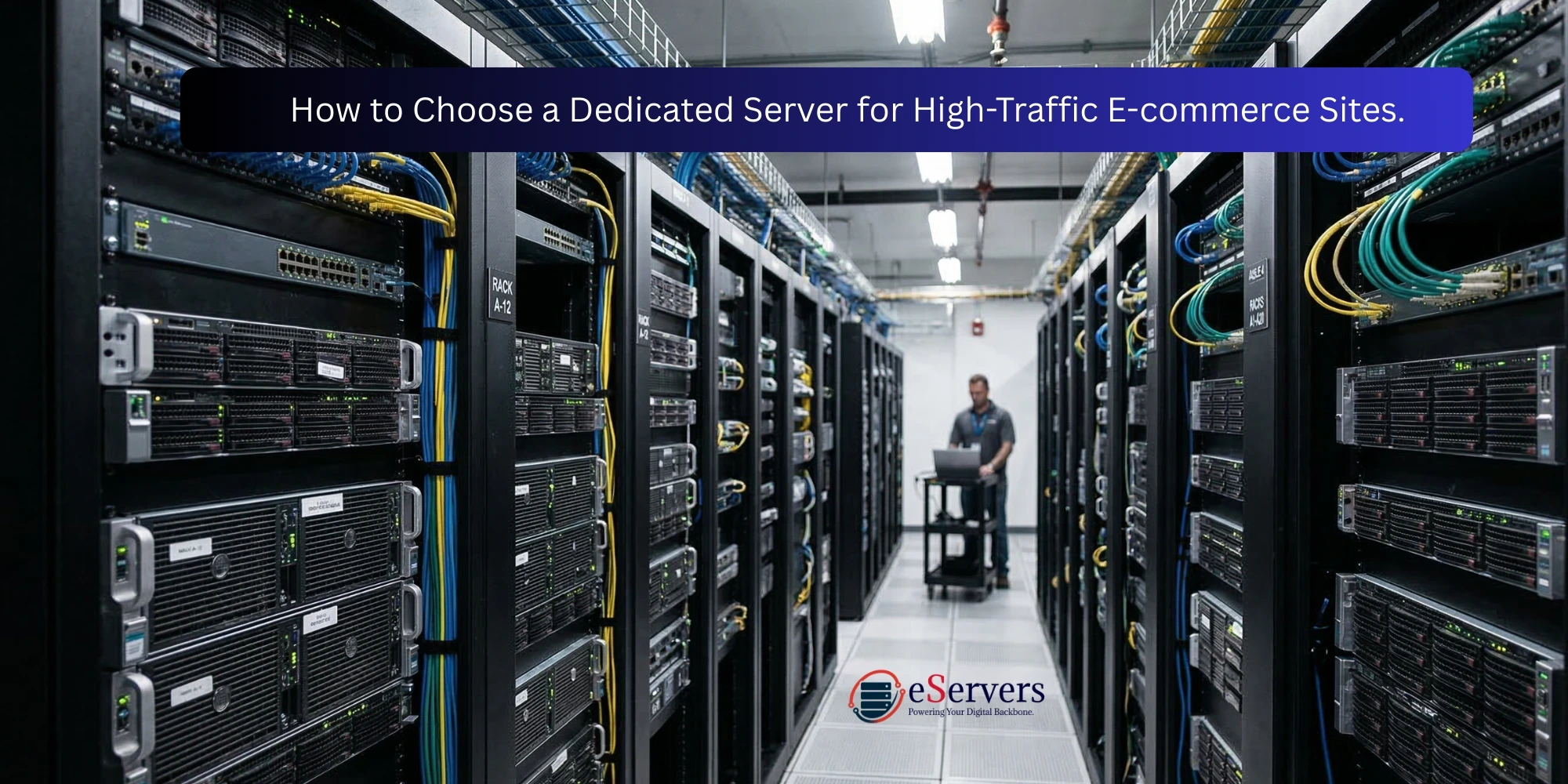
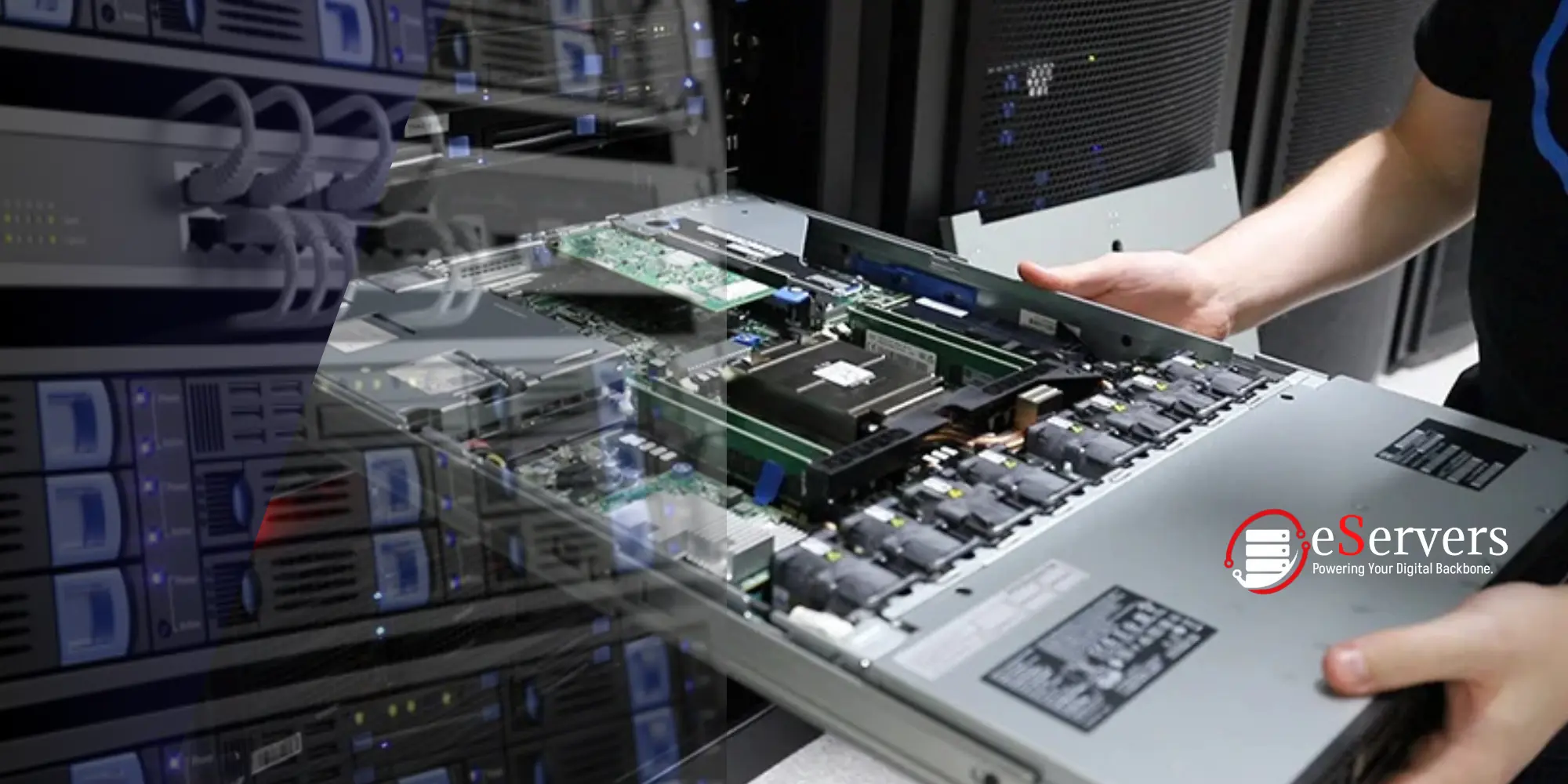
For uncompromising speed, a 100% dedicated physical machine is required. By moving to bare metal, you eliminate virtualization overhead. You get exclusive, uninterrupted access to all computing resources, ensuring that your site remains lightning-fast even during Black Friday or holiday rushes.
Critical Hardware Metrics to Consider
When configuring your single-tenant infrastructure, pay close attention to these core components:
-
Processing Power and NVMe Storage
E-commerce platforms like Magento and WooCommerce generate heavy database queries for every product search and transaction. You need modern, high-core processors paired with at least 32GB to 64GB of RAM. Additionally, always choose NVMe SSDs. They offer vastly superior read/write speeds compared to traditional hard drives, allowing your complex product catalogs to load almost instantly.
-
Bulletproof Security and Network Protection
Protecting customer payment data is your top priority. To maintain strict PCI compliance, your hosting environment must be fully isolated. Furthermore, successful online stores are prime targets for malicious traffic surges. Ensure your provider includes enterprise-grade network filtering to mitigate these threats before they reach your site.
-
Managed vs. Unmanaged Setup
Depending on your team's technical expertise, you will need to choose how your system is maintained:
Unmanaged: Best for teams with in-house administrators who want full root access to customize the OS, firewalls, and security patches.
Managed: Ideal if you want to focus entirely on scaling your business while experts handle proactive monitoring, updates, and backend maintenance.
The eServers Advantage
At eservers, we do not offer VPS or shared hosting. We specialize exclusively in enterprise-grade physical hardware because we know that top-tier e-commerce requires unshared power.
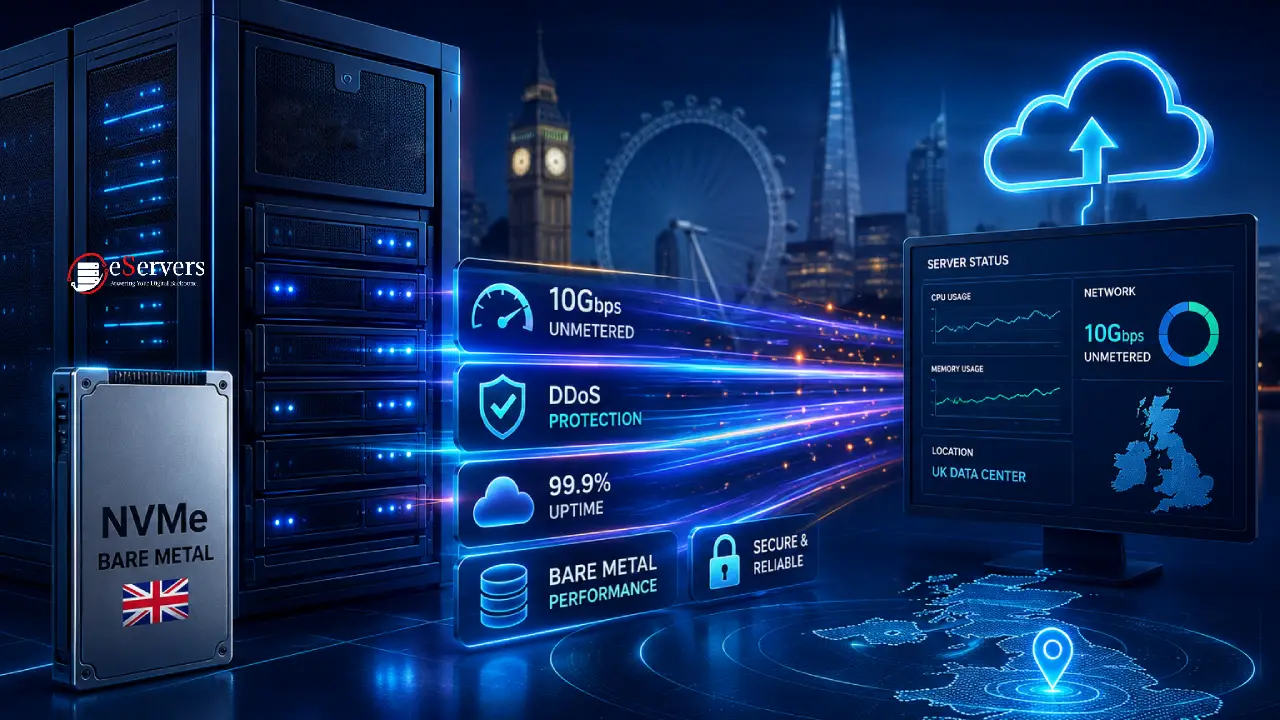
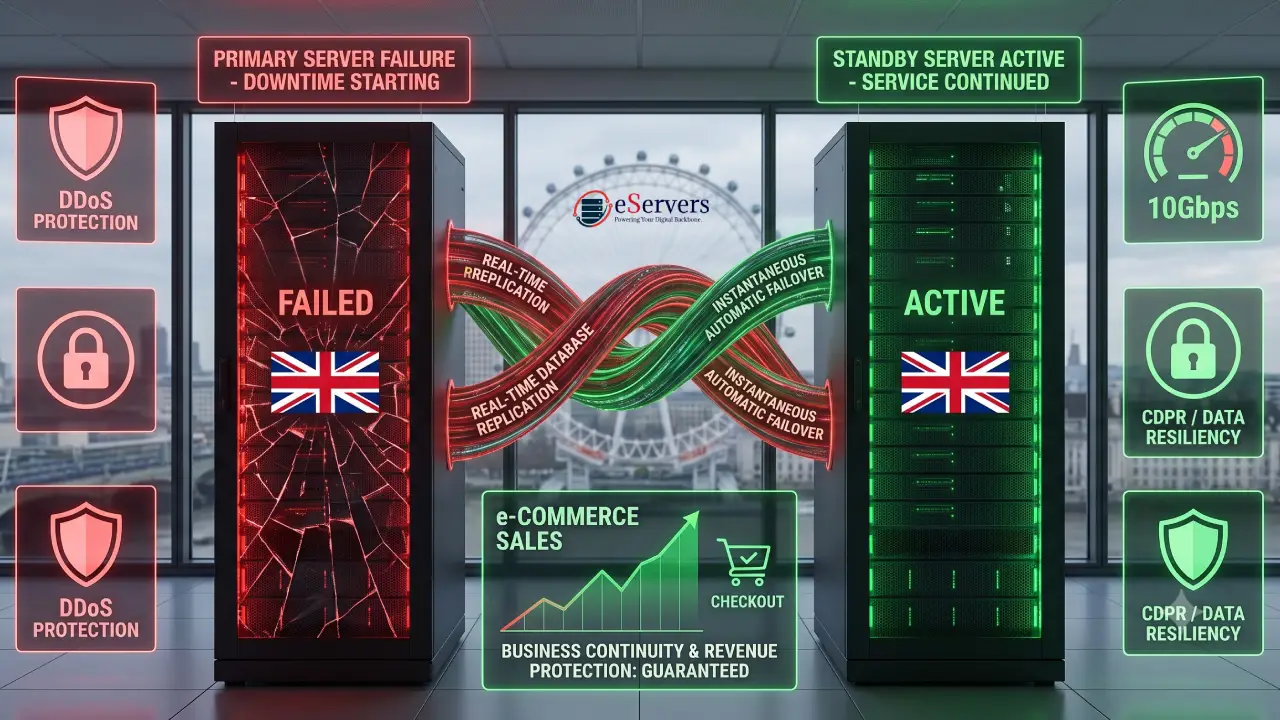
When you invest in our bare metal servers, you are securing a foundation built for extreme traffic. We provide both Managed and Unmanaged plans tailored perfectly to your technical needs. More importantly, to guarantee your storefront stays online during targeted attacks, all of our physical setups come with 250Gbps DDoS protection completely free of charge.
Frequently Asked Questions (FAQs)
Which server is best for an eCommerce website?
For high-traffic operations, a bare metal physical server is the ultimate choice. It delivers the fastest database query processing and guarantees that no external websites can drain your operational resources.
What is the difference between a dedicated server and a virtual server (VPS)?
A VPS partitions one machine into multiple virtual spaces, meaning you share the primary network connection and underlying hardware. A fully independent setup gives you total, isolated control over the entire physical unit.
What is the amount of RAM I should have for my store?
For high-capacity stores, 32GB of RAM is the absolute minimum. If you utilize advanced caching, heavy databases, or expect massive concurrent user spikes, upgrading to 64GB or 128GB of RAM is highly recommended.
What server size do I need for 10,000 users?
Handling 10,000 concurrent users requires a formidable setup. Look for latest-generation multi-core CPUs, at least 128GB of RAM, and ultra-fast NVMe storage to ensure your database doesn't bottleneck under pressure.
What is the cost of enterprise hosting?
Pricing varies based on CPU capabilities, memory capacity, and management levels. At eservers, our robust hardware packages start at [Insert Starting Price Here], inclusive of our premium 250Gbps network protection.